 SK
SK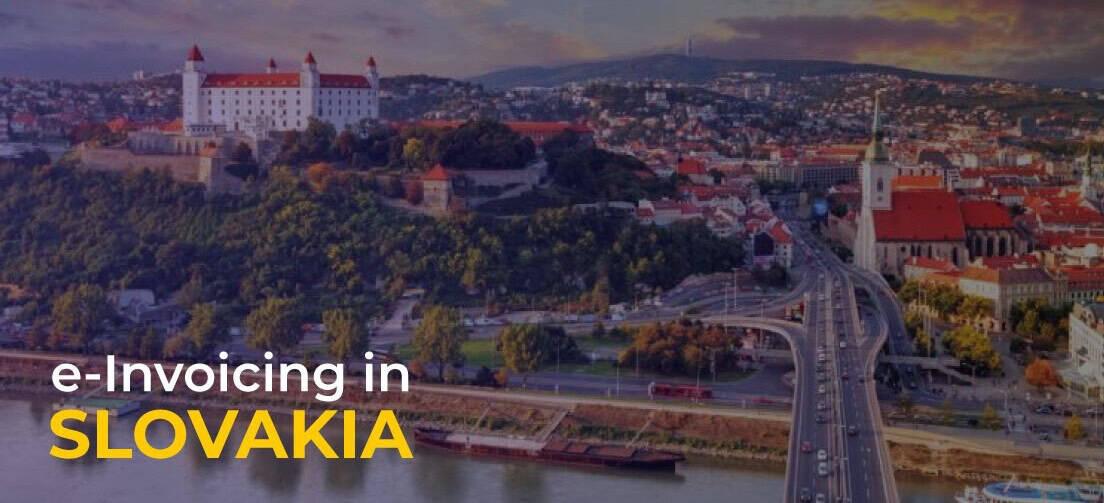
Starting in 2027, mandatory electronic invoicing between businesses (B2B) will be introduced in Slovakia. Even now, in 2025, it’s the right time to start preparing.
Digitalization is not just a legal obligation – it’s also an opportunity to simplify accounting, improve efficiency, and gain better insight into your finances.
What is e-invoicing and what is changing?
E-invoicing doesn’t just mean sending PDF invoices via email.
It refers to invoices in a structured format (e.g., XML) that will be automatically submitted to the financial authority through a government portal (likely IS EFA) and received by your business partner as well.
As of January 1, 2027, this process will be mandatory for all VAT payers when trading with other businesses.
Who needs to prepare?
- All VAT-registered entities – including limited liability companies (s.r.o.), sole traders (SZČO), and non-profits with VAT IDs
- Companies issuing invoices to other businesses (B2B)
- Anyone who wants better document management and to benefit from digitalization
Why start in 2025?
- The system will be in testing phase in 2025, allowing bugs to be fixed
- You’ll be well prepared and avoid last-minute stress
- Digitalization will make life easier for your accountant or accounting office
- You’ll save time and money – less paperwork, faster communication
How to prepare?
1. Start using e-invoicing now
Choose an invoicing system that supports electronic invoices (e.g., iDoklad, SuperFaktura, Pohoda, Money S3, etc.).
Check whether it supports future integration with the financial authority.
2. Digitize your documents
Store invoices electronically, ideally in the cloud or accounting software.
Say goodbye to paper folders.
3. Communicate with your accountant
Talk to your accountant or accounting office to ensure they’ll be ready for e-invoicing.
Some systems may require process adjustments.
4. Follow the updates
In 2025 and 2026, the Financial Administration will publish rules, procedures, and technical details.
Follow official sources and discuss upcoming changes with your accountant.
Conclusion
E-invoicing won’t be just “mandatory bureaucracy.”
It can be a great tool to simplify your business.
Those who start preparing in advance will have a competitive edge in 2027.
If you need help with digitalization or choosing the right software, we’re here to help.